


Maximizing Container Efficiency: Packaging Innovations for Reduced Dimensional Weight (DIM) and Lower Freight Costs
Optimizing Secondary Packaging to Reduce Shipping Costs for Sustainable Tableware
In international B2B logistics, freight costs are often determined not by actual weight, but by Dimensional Weight (DIM)—a measure of the space a package occupies. For bulky, lightweight items like disposable tableware, optimizing secondary and tertiary packaging is crucial for achieving cost savings and reducing the environmental footprint of transportation. Our packaging innovation focuses on maximizing product count per container (PPC).
I. The Challenge of Dimensional Weight (DIM)
The profitability of importing lightweight packaging, such as bagasse containers, is directly affected by the DIM factor (calculated as Length × Width × Height / DIM Factor). Our packaging engineers' primary mission is to increase the Product Count Per Container (PPC) to its absolute maximum theoretical limit while ensuring zero transit damage.
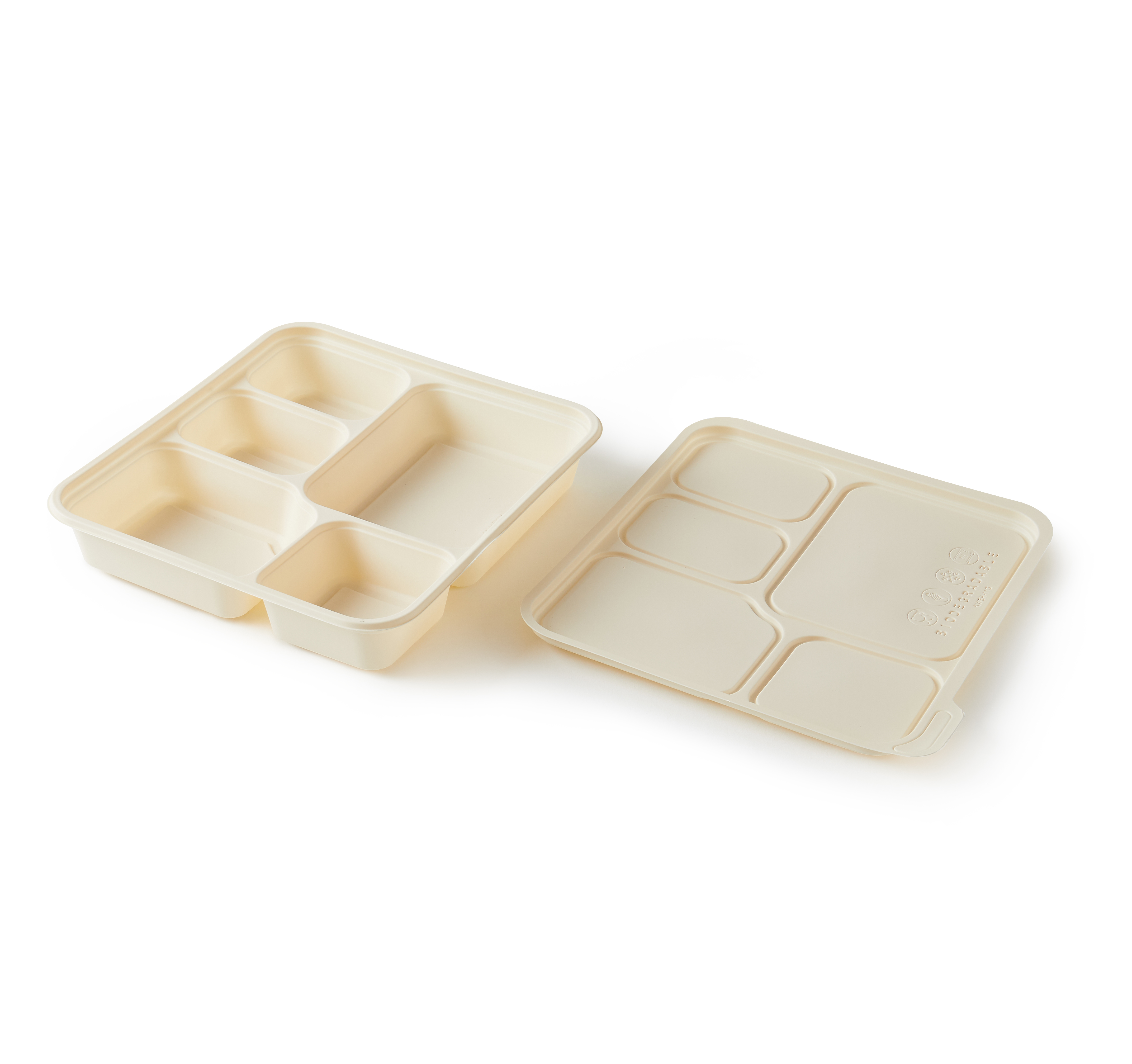
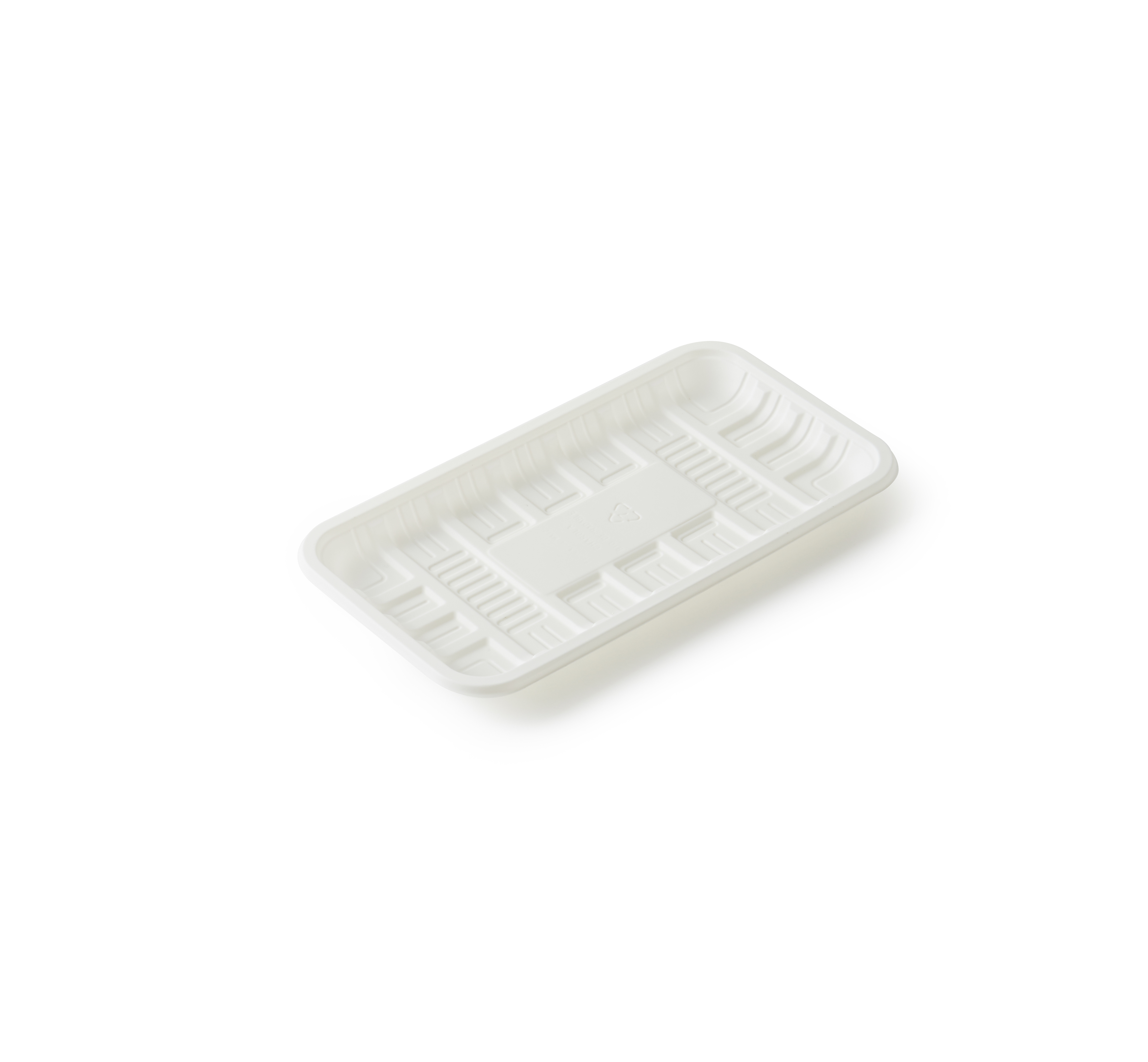
Bagasse Container Optimization Through Nesting Geometry
We utilize advanced "nesting" geometry in our bagasse container designs. By slight adjustments to the taper angle and rim design, we achieve a nesting ratio improvement of up to 8% in new molds, allowing us to fit more units per master carton and per 40-foot HQ container.
Product Count Per Container (PPC) Maximization
The Goal: Our packaging engineers focus on increasing PPC to its maximum theoretical limit while ensuring zero transit damage. This involves sophisticated CAD modeling and physical testing to validate stacking strength and damage prevention during transportation.
II. Secondary Packaging Material Optimization
The choice of secondary packaging material must balance protection, cost, and sustainability requirements.
1. High-Density Corrugated Board Innovation
We use 35% Post-Consumer Recycled (PCR) content in our high-strength corrugated master cartons. This balances sustainability goals with the need for high stacking strength (up to 10 boxes high) for warehouse efficiency, preventing damage to the delicate edges of bagasse and CPLA products.
2. Minimalist Inner Sleeving Approach
We have minimized the use of inner plastic poly-sleeving to the absolute minimum necessary for hygiene and moisture protection, reducing the overall weight and plastic content per unit by 4% compared to conventional methods while maintaining product integrity.
3. Stretch Film Reduction Technology
We utilize automated wrapping machines with pre-stretch capability, reducing the amount of shrink-wrap film required per pallet by up to 20% while maintaining excellent load stability during transit. This reduction directly lowers both material costs and environmental impact.
III. Standardizing Pallet Configurations for Global Logistics
Standardized, compliant palletization is essential for minimizing handling delays and maximizing container volume utilization.
1. Regional Pallet Size Compliance
We strictly adhere to regional pallet standards (e.g., 1000mm × 1200mm for Europe or 48 in × 40 in for North America) and ensure maximum safe height utilization within the container cube. This standardization prevents handling issues at ports and distribution centers.
2. Volume Utilization Performance
Through optimized nesting and packaging, we routinely achieve a volume utilization rate of 92% for a 40ft HQ container—a key performance indicator (KPI) that directly impacts the client's cost per unit (CPU) for freight. This high utilization rate represents significant savings compared to industry averages.
3. Cost Savings Transmission to Clients
Client Benefit: By optimizing the container load, we pass significant savings in freight costs directly to the B2B buyer, making the final landed cost of our sustainable products more competitive against traditional alternatives. These savings can range from 8-15% of total freight costs depending on the product mix and destination.
IV. Packaging Innovation Impact Analysis
The cumulative effect of these packaging innovations creates substantial value throughout the supply chain.
| Innovation Area | Implementation | Efficiency Gain | Cost Impact |
|---|---|---|---|
| Product Nesting Geometry | Taper angle & rim optimization | 8% more units per carton | 5-8% lower unit freight cost |
| Secondary Packaging Materials | 35% PCR corrugated board | 10-box stacking strength | 3-5% material cost savings |
| Inner Packaging Reduction | Minimal poly-sleeving | 4% weight reduction | 2-4% lower DIM weight charges |
| Pallet Optimization | Regional standard compliance | 92% container utilization | 8-12% lower total freight cost |
| Stretch Film Technology | Automated pre-stretch wrapping | 20% film reduction | 1-2% material cost savings |
The Environmental Impact of Packaging Optimization
Beyond cost savings, these packaging innovations significantly reduce the environmental footprint of transportation. Higher container utilization means fewer containers are needed to ship the same quantity of products, reducing fuel consumption and emissions. The use of recycled materials in secondary packaging further enhances the sustainability profile of the entire supply chain.
Future Directions in Packaging Innovation
We continue to invest in packaging R&D, exploring areas such as biodegradable cushioning materials, smart packaging that monitors product condition during transit, and further optimization of 3D product nesting through advanced computational modeling. These ongoing innovations ensure that our packaging solutions remain at the forefront of efficiency and sustainability.
For B2B partners in the sustainable tableware sector, our packaging optimization approach represents a strategic advantage that delivers both economic and environmental benefits. By reducing DIM weight and maximizing container utilization, we help clients improve their bottom line while advancing their sustainability goals—a true win-win proposition in today's competitive market.